
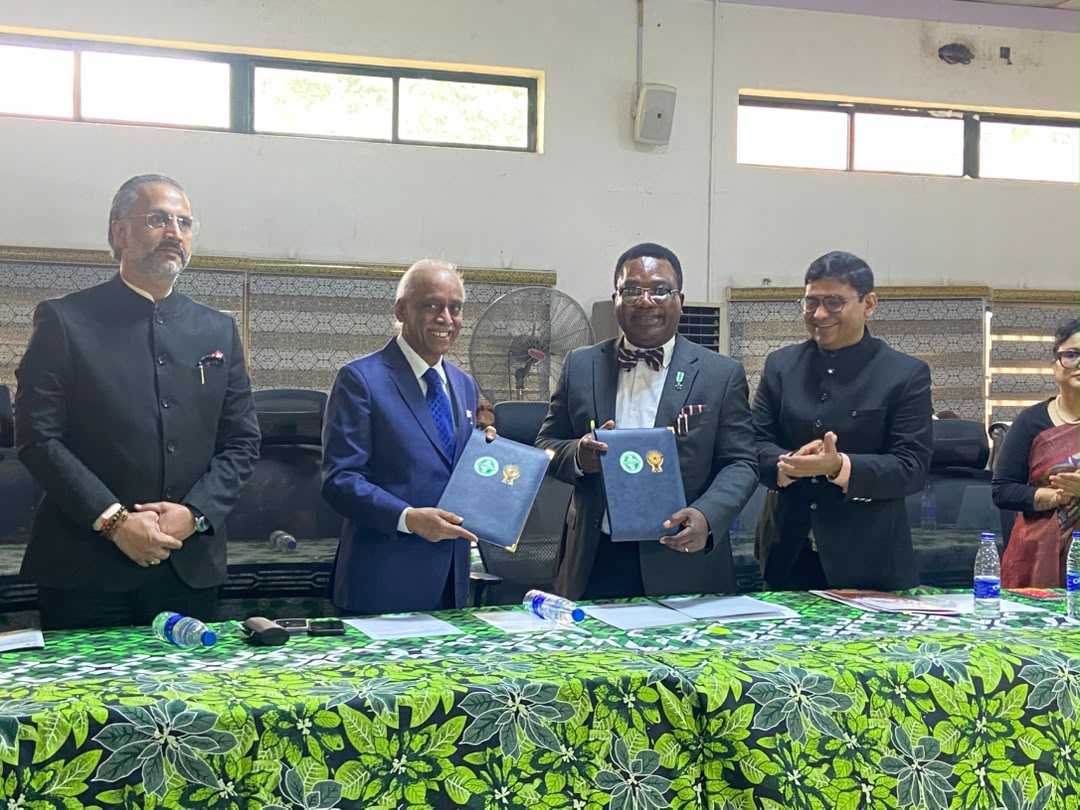
The National Human Rights Commission of Nigeria (NHRC) and the National Human Rights Commission of India have signed a landmark Memorandum of Understanding (MoU) in Abuja, to strengthen institutional cooperation, exchange expertise and improve human rights protection through capacity building and shared international best practices.
The agreement was signed by the Executive Secretary of NHRC Nigeria, Dr. Tony Ojukwu, SAN, OFR, and the Chairperson of NHRC India, Justice V. Ramasubramanian, who described it as a historic development that would deepen South-South cooperation.
Justice Ramasubramanian noted: “Today, the National Human Rights Institutions of the countries of Nigeria and India have actually scripted history by signing this first-of-its-kind Memorandum of Understanding”.
Framework for Cooperation
According to Dr. Ojukwu, the MoU provides a comprehensive framework for cooperation between the two institutions in areas including exchanging expertise and best practices, capacity building, joint research and publications, and engagement on regional and international human rights issues.
The partnership, he said, would enable Nigeria’s Commission to deepen its institutional capacity, expand its knowledge base and strengthen its contribution to the global human rights community.
Other thematic areas identified for cooperation include complaint management and Alternative Dispute Resolution (ADR), security sector accountability, comparative legal research, digital rights, AI ethics, environmental justice, media protection and conflict management.
The relationship between the two commissions has been built over time through Nigeria’s participation in India’s Technical and Economic Cooperation (ITEC) programme, with Nigerian NHRC officials participating twice in recent years.
Visit to the Chief Justice of Nigeria
Preceding the signing, both Commissions paid a joint visit to the Chief Justice of Nigeria, Hon. Justice Kudirat Kekere-Ekun, at the Supreme Court Complex in Abuja.
Dr. Ojukwu said collaboration between national human rights institutions and the judiciary was essential to strengthening access to justice, particularly for vulnerable people who cannot afford the cost of formal judicial processes. The CJN reaffirmed the judiciary’s commitment to working with the NHRC to improve access to justice and strengthen the promotion and protection of human rights.
Justice Ramasubramanian outlined three major objectives of the MoU: promoting collaboration between the institutions, strengthening shared commitment to human rights values, and facilitating mutual learning from experiences in addressing violations.
AGF Fagbemi: Pact Must Deliver Justice for Ordinary Citizens
The Attorney-General of the Federation and Minister of Justice, Prince Lateef Fagbemi, SAN, while receiving the joint delegation at the Federal Ministry of Justice, pledged the Federal Government’s full support for implementation of the agreement.
Fagbemi said the success of the partnership would ultimately be measured by its impact on ordinary citizens, particularly vulnerable and marginalised groups seeking justice.
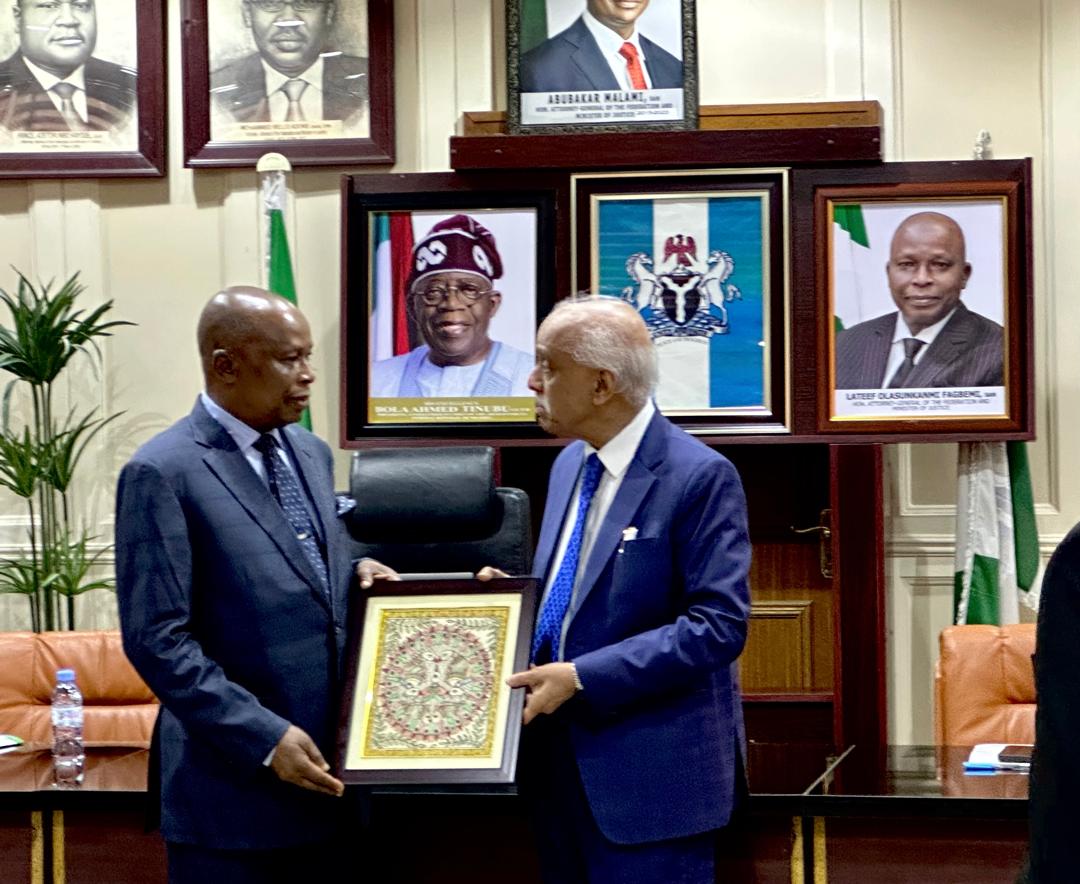
He described the partnership as timely, particularly in an increasingly interconnected world where effective human rights protection requires stronger legal frameworks, institutional collaboration and respect for the rule of law.
The AGF highlighted access to justice and protection of digital rights as critical areas requiring urgent attention, particularly as emerging technologies, including Artificial Intelligence, continue to reshape society. He stressed that both countries must develop legal safeguards to protect data privacy, prevent algorithmic bias and safeguard civic space, while ensuring that technological advancement does not undermine fundamental freedoms.
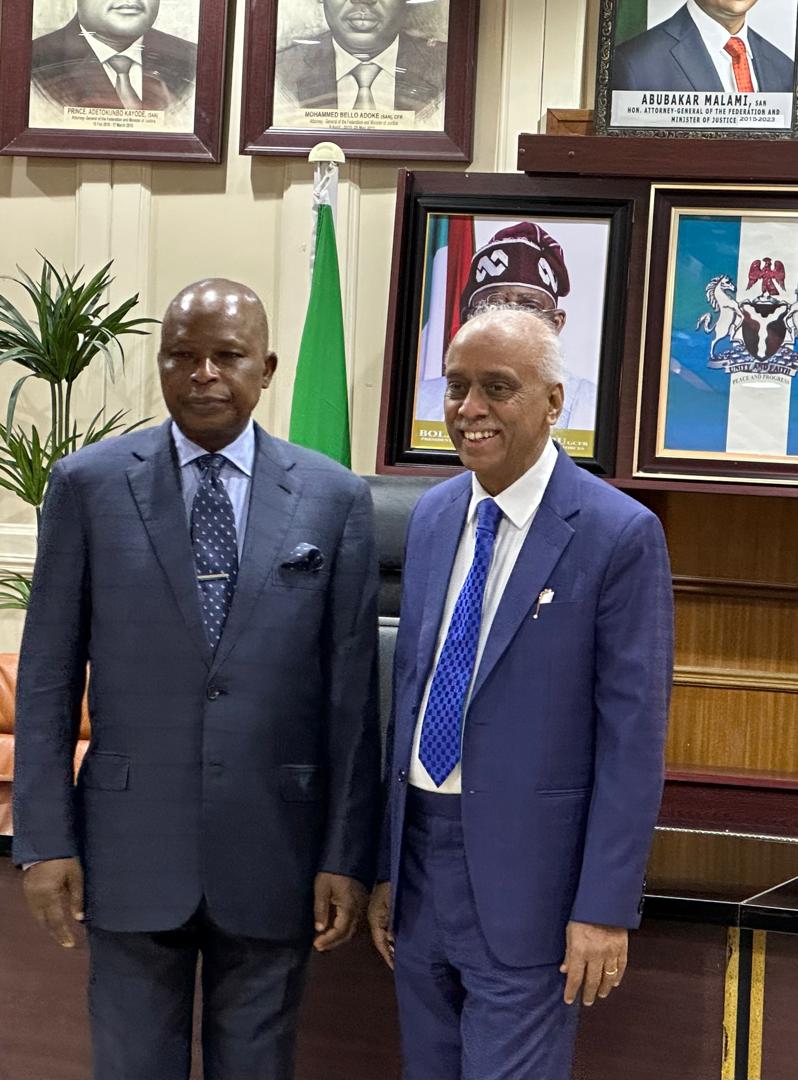
Reaffirming NHRC’s independence, Fagbemi cited Section 6(3) of the National Human Rights Commission (Amendment) Act, 2010, which provides that the Commission shall not be subject to the direction or control of any other authority.
Federal Government Calls for Humane Treatment of Nigerians in India
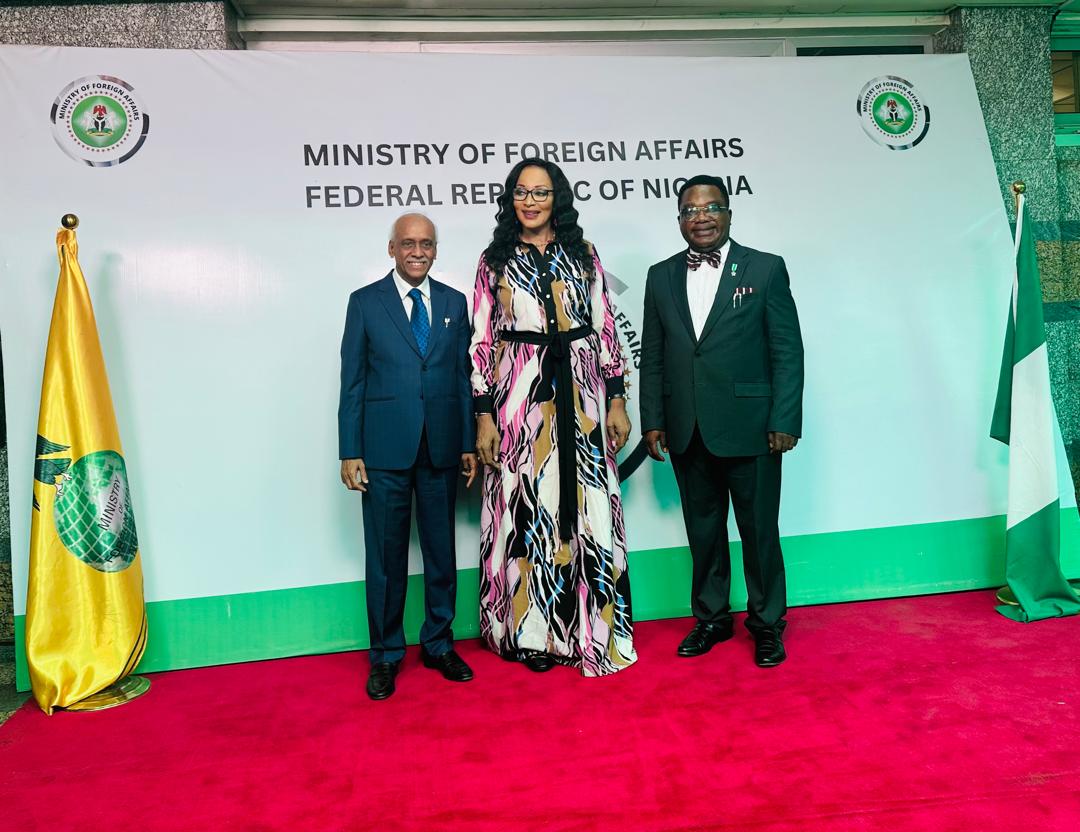
At the Ministry of Foreign Affairs, the Minister of Foreign Affairs, Ambassador Bianca Odumegwu-Ojukwu, appealed to India to ensure the welfare, dignity and protection of the fundamental human rights of Nigerians held in custodial centres across India. She described the MoU as a timely initiative for translating longstanding Nigeria-India relations into practical institutional cooperation.
Rising Complaints and Global Recognition
Speaking during the MoU week, Dr. Ojukwu disclosed that the Commission received 384,196 complaints across its 38 locations nationwide in October 2026, representing an increase of more than 45,000 complaints, or 14 per cent, compared with September 2026.
The signing comes as Nigeria prepares for its tenure on the United Nations Human Rights Council for 2027-2028, having received support from Member States.
The NHRC reaffirmed its commitment to strengthening the protection of women and girls, advancing access to justice and promoting accountability for human rights violations as it deepens bilateral cooperation with India.



