
Freedom of Expression and the Media

Freedom of Expression and the Media

Human Rights Defenders

Human Rights Defenders

Labour

Labour

Right to Health

Right to Health

Refugees Internally Displaced Persons, Migrants And Asylum Seekers

Refugees Internally Displaced Persons, Migrants And Asylum Seekers

Environment, Niger Delta And Development

Environment, Niger Delta And Development

Food and Shelter

Food and Shelter

The Rights of Women and Gender Related Matters

The Rights of Women and Gender Related Matters

Child Rights

Child Rights

Right To Education

Right To Education

Freedom of Religion or Belief and Peaceful Assembly

Freedom of Religion or Belief and Peaceful Assembly

#StandUp4HumanRights

#StandUp4HumanRights

Lodge a complaint about human rights violation call 08006472428 (Toll Free)

Submit a complaint
NHRC is Working

We work to ensure that everybody have a fair chance to state his/her case

The Commission serves as an extra-judicial mechanism for the respect and enjoyment of human rights. It also provides avenues for public enlightenment, research, and dialogue in order to raise awareness on Human Rights issues.

LABOUR (THEMATIC AREA)

  1. Introduction:

The Labour thematic focus of the Commission principally has to do with the promotion of right based approach to labour, employment, remuneration, union etc. Team members are: (i) Fatima Mai (CLO)  (ii) Angela Ogbame (CLO) (iii) Patrick Ebhodaghe (PLO) (iv) Bimbo Olanubi (SIO).

  1. Body:

There are several international, regional and municipal labour instruments under which the labour thematic area operates, some of these instruments are; i. Forced Labour Convention, 1930 ii. Right to Organize and Collective Bargaining Convention, 1949 iii.Equal Remuneration Convention, 1951 iv. Constitution of the Federal Republic of Nigeria, 1999 (as amended) v. Labour Act.

The Commission through the Labour thematic focus area engages with both local and international organizations on activities that promotes international best practices on labour.

  1. Activities:

On the 9th of August, 2019, the Labour thematic focus team and the Director, Women, Children and Vulnerable Group Department, Mr. Harry obe, hosted some staff of the International Labour Organization (ILO) at the Commission. The reason for the ILO’s visit was for the Commission to contribute to the ILO’s regional report on fair recruitment. Members of the ILO team were: i. Ms. Lotte Kejser ii.Austin Erameh iii. Mansour Omeira.

On the 19th September, 2019, the Director, Economic, Social and Cultural Rights, Mr. Salihu Musa, the Director, Corporate Affairs and External Linkages, Mr. Lambert Opara, the Director, Civil and Political Rights, Mr. A.A. Yakubu with some members of staff of the ESCR department played host to the United Nations Rapporteur on the Right to Adequate Housing and Non-Discrimination, Leilani Farha and Jon Izarirre Garcia, Human Rights Officer at the United Nation’s Office of the High Commissioner.

  1. Conclusion:

The UN Special Rapporteur, Leilani Farha, was at the Commission on a fact finding mission to ascertain how the Commission handles complaints on inadequate housing, forced eviction/compulsory acquisition of properties by government, demolition etc.

She was also interested in the final report of the Commission’s Special Panel on Forced Eviction and Demolition constituted by the then Governing Council of the Commission.

RIGHT TO HEALTH (THEMATIC TEAM)

  1. Introduction:

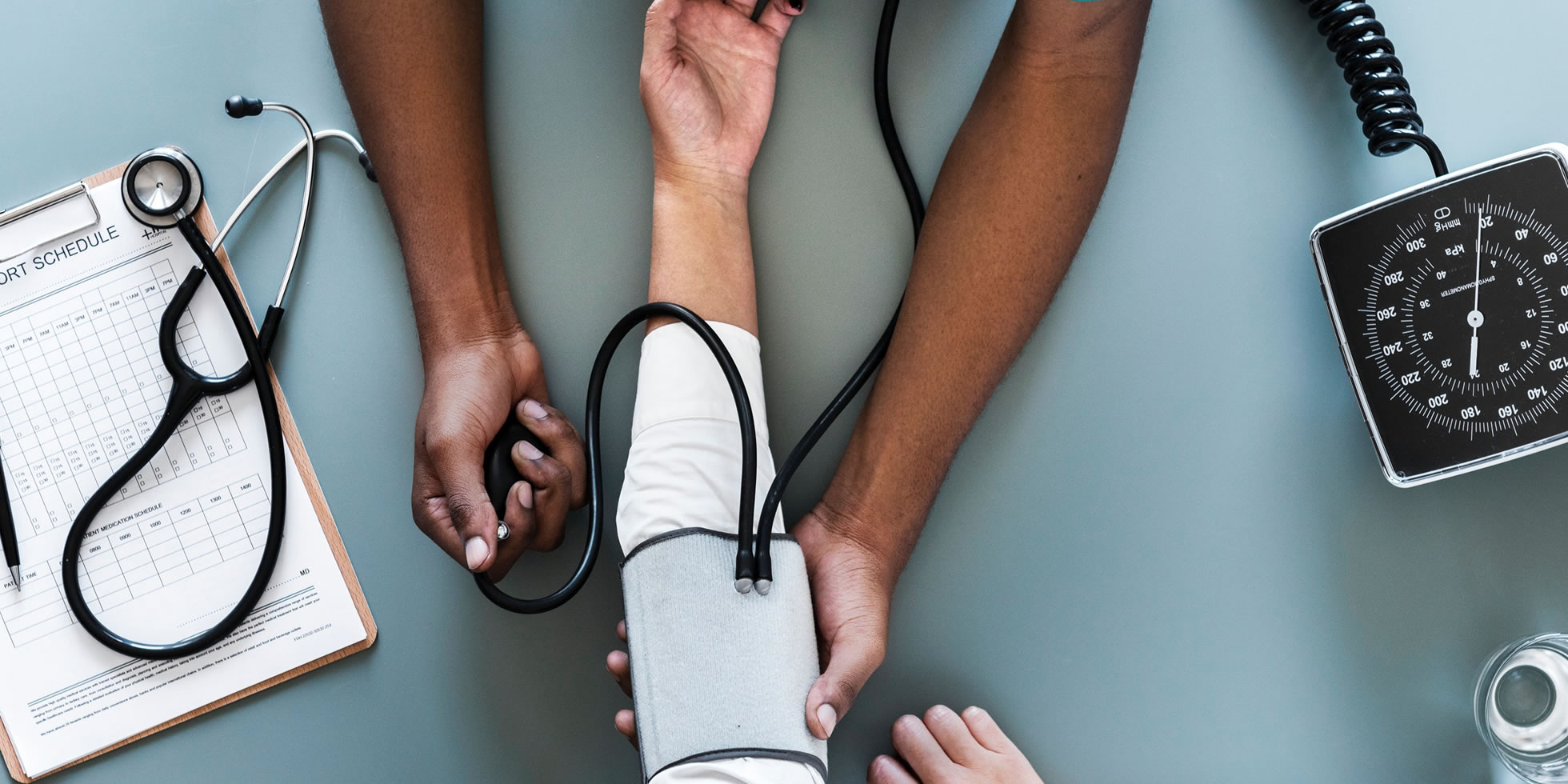
Right to Health is the right of everyone to the enjoyment of the highest attainable standard of physical and mental health. Right to health extends to ensuring clean water, sanitation, food, nutrition and through a comprehensive system of healthcare.

The thematic area is comprised of Four (4) dedicated Staff comprising Fidelia Osemeata Oroh (Head), Fatima Abubakar Shamaki and Valerie Duruh, forming a thematic team charged with the responsibility of promoting, protecting and enforcing the right to health as safeguarded by the various human instruments. The team is also charged with the responsibility of liaising and cooperating with local and international organizations on right to health with the purpose of advancing the promotion and protection of same, undertaking studies and making appropriate recommendations to the Commission, promoting an understanding of public discussions of right to health issues in Nigeria among other functions which may be prescribed from time to time.

  1. Body:

The right to health is accorded recognition by several international treaties to most of which Nigeria is a party. The most important of these treaties are the International Covenant on Economic, Social and Cultural Rights (ICESCR), Convention on the Elimination of all Forms of Discrimination (CERD), the Convention on the Elimination of all Forms of Discrimination against Women (CEDAW) and the Convention on the Rights of the Child (CRC). Nigeria is also a party to two health-related civil and political rights treaties, namely the International Covenant on Civil and Political Rights (ICCPR) and the Convention against Torture and Other Cruel, Inhuman or Degrading Treatment or Punishment. Regionally, the Right to Health is guaranteed under the African Charter on Human and Peoples Rights. Nationally, it is guaranteed under Chapter 2 of the Constitution of the Federal Republic of Nigeria 1999 (as amended), the National Health Insurance Scheme Act (1999) etc.

  1. Activities:

The Commission has partnered with several MDAs like the Ministry of Health and National Agency for the Control of Aids as well as varied INGO’s and NGO’s over the years towards the realization of its goal in advancing the right to health of Nigerian. The Commission put in place the NHRC Critical Mass to mainstream HIV/AIDS in all sectoral activities. In furtherance of its mandate, the Commission plans to set up human rights desks in hospitals, conduct an intervention in the health section in response to complaints about quackery, malpractice and negligence in the health sector amongst other laudable and lofty goals.

Goal 3 of the Sustainable Development Goals (SDG), focusing on health, is to “ensure healthy lives and promote well-being for all at all ages”, however, it should be noted that almost all the Goals can be linked to health as a well-functioning health system is fundamental to the right to health and therefore the realisation of other SDGs. State parties are already legally obliged under the International Covenant on Economic, Social and Cultural Rights (ICESCR) to “devote maximum available resources to the right to health”, which includes funding struggling health systems. 

  1. Challenges:

In recent years, notable progress has been made, but significant challenges remain. Women around the world continue to lack access to sexual and reproductive health care; thousands of new cases of HIV/AIDS continue to occur each day, billions of people are left without access to essential medicines, millions of adults and children suffer from undernourishment.

  1. Conclusion:

Health is a fundamental human right and a key indicator of sustainable development. Poor health threatens the rights of children to education, limits economic opportunities for men and women and increases poverty within communities and countries around the world. It is also impacted by poverty and strongly connected to other aspects of sustainable development, including water and sanitation, gender equality, climate change and peace and stability.

In order to accelerate progress and address new health challenges, all actors, including the private sector need to partner to develop health care solutions that work for people, families, communities and nations and it is the work of the National Human Rights Commission to ensure that it is at the forefront of the fight to promote, protect and enforce the human rights of all Nigerians.

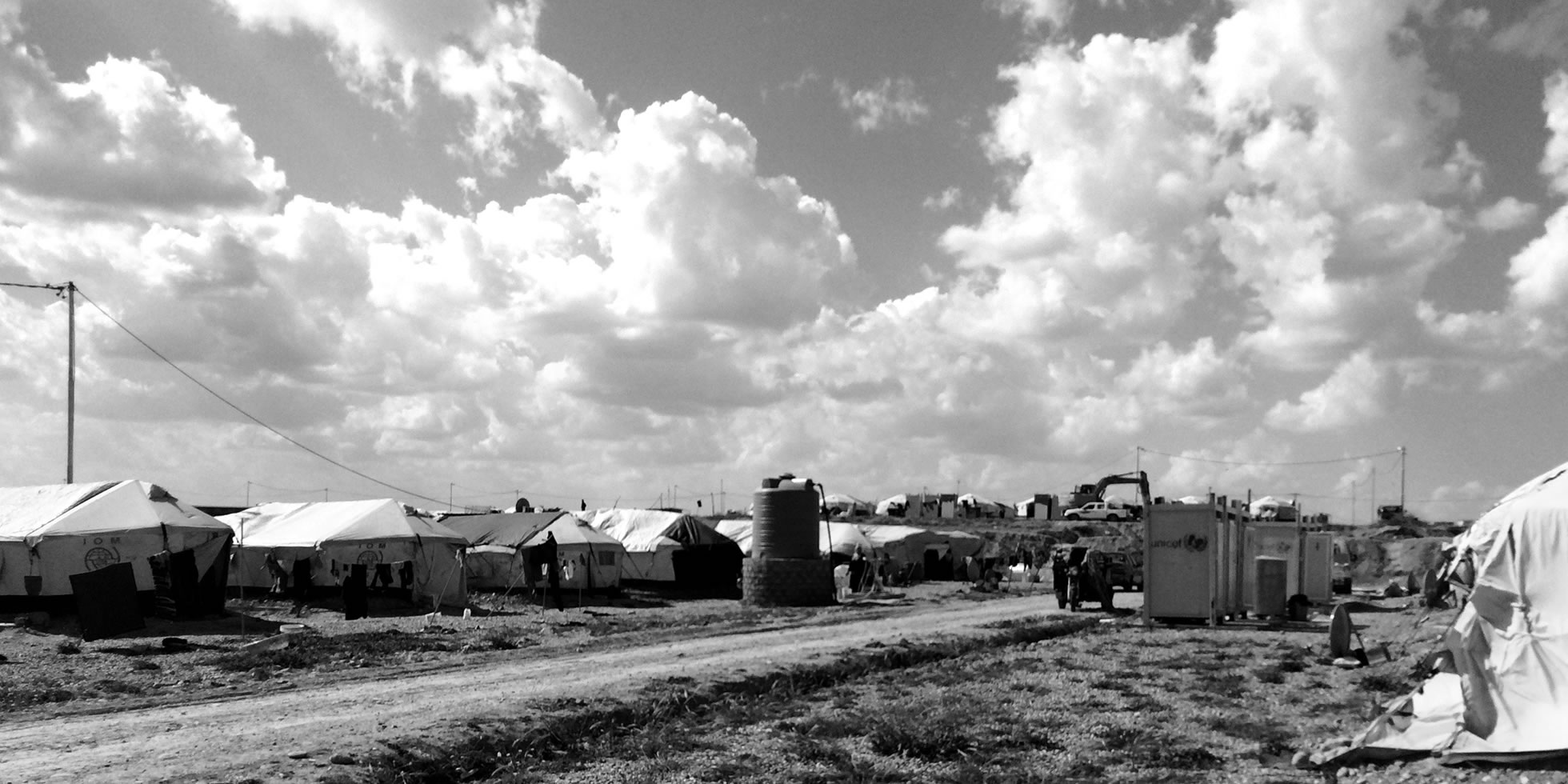
• Who is an IDP? – An internally displaced person (IDP) is a person who is forced to flee his or her home but remains within the borders of their country. 

• Who is a refugee? – A refugee is a person who is forced to flee his or her country and has been granted asylum in another country after Refugee Status Determination (RSD)

• Who is a migrant? – A person who moves from one place to another in order to find work or better living conditions

• Who is an asylum seeker? - An asylum seeker is a person who flees his or her home country, enters another country and applies for asylum, i.e. the right to international protection, in this other country but the application has not been approved. An asylum seeker is a type of migrant and may be a refugee, a displaced person, but not an economic migrant. Only asylum seekers who are granted refugee status are allowed to work in the country. 

Since the beginning of the existence of the human race, people have had to move from one place to another for diverse reasons. The reasons for such movement range from security, economic and pleasure to name a few. This continuous movement over time has created different issues across the globe which in turn has resulted in several regimes of legal provisions to regulate and deal with the issues raised by movement of people.

The Commission as part of it activities to protect and promote the human rights of IDPs, refugees and migrants partners with both national, international agencies and Civil Society Organizations. Some of those agencies include UNHCR, NCFRMI, IOM, Immigration Services to mention a few. 

The Commission is the Co-chair at the National Level of the Protection Sector Working Group, the group is made up of all organisations government and non-government, national and international working in the protection sector which deals mainly with IDPs, Refugees and Migrants.

The Commission is also partnering with the UNHCR to implement an IDP protection monitoring Project in Adamawa, Borno and Yobe states. The project which commenced in 2015 started with 9 states of the North East, North Central Nigeria and the Federal Capital Territory. It was later scaled down to six and currently to three states. 


Page 3 of 3

Frequently Asked Questions

You can click here to submit a complaint online. You will be contacted by our agent you as soon as your complaint is received

From the Web

pattern