Freedom of Expression and the Media

Freedom of Expression and the Media

Human Rights Defenders

Human Rights Defenders

Labour

Labour

Right to Health

Right to Health

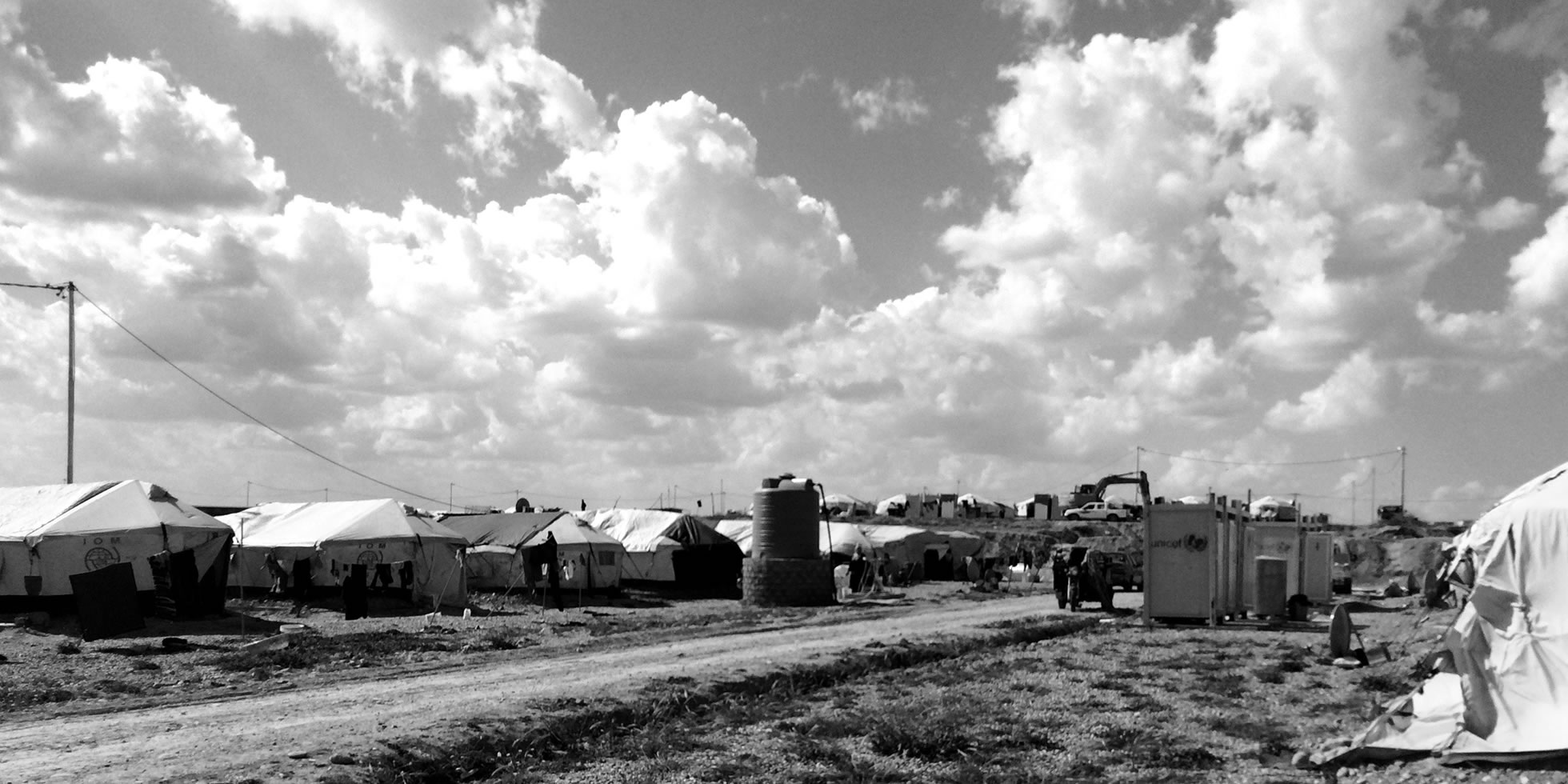
Refugees Internally Displaced Persons, Migrants And Asylum Seekers

Refugees Internally Displaced Persons, Migrants And Asylum Seekers

Environment, Niger Delta And Development

Environment, Niger Delta And Development

Food and Shelter

Food and Shelter

The Rights of Women and Gender Related Matters

The Rights of Women and Gender Related Matters

Child Rights

Child Rights

Right To Education

Right To Education

Freedom of Religion or Belief and Peaceful Assembly

Freedom of Religion or Belief and Peaceful Assembly

#StandUp4HumanRights

#StandUp4HumanRights

Lodge a complaint about human rights violation call 08006472428 (Toll Free)

Submit a complaint
NHRC is Working

We work to ensure that everybody have a fair chance to state his/her case

The Commission serves as an extra-judicial mechanism for the respect and enjoyment of human rights. It also provides avenues for public enlightenment, research, and dialogue in order to raise awareness on Human Rights issues.

The thematic area on Environment, Niger Delta and Development is covered by a three man team, whose members are 

  • Yemisi Akhile
  • Tina Oduneye
  • Uzoamaka Ifechi-Fred,

The thematic team is headed by Yemisi Akhile

The right to favourable environment is protected by natural, regional and international human rights instruments. The thematic area focuses on protecting human rights, to advocating for a safe, clean, healthy and sustainable environment, and also recognises that this is integral to the full enjoyment of a wide range of human rights, including the rights to life, health, food, water and sanitation. 

Without a healthy environment, people are unable to fulfil their aspirations or even live at a level commensurate with minimum standards of human dignity.  At the same time, protecting human rights helps to protect the environment.  When people are able to learn about, and participate in, the decisions that affect them, they can help to ensure that those decisions respect their need for a sustainable environment. 

In recent years, the recognition of the links between human rights and the environment has greatly increased.  The number and scope of international and domestic laws, judicial decisions, and academic studies on the relationship between human rights, environment and development have grown rapidly.

All over the world, people experience the negative effects of environmental degradation ecosystems decline, including water shortage, fisheries depletion, natural disasters due to deforestation and unsafe management and disposal of toxic and dangerous wastes and products. Indigenous peoples suffer directly from the degradation of the ecosystems that they rely upon for their livelihoods. Climate change is exacerbating many of these negative effects of environmental degradation on human health and well-being and is also causing new ones, including an increase in extreme weather events and an increase in spread of malaria and other vector born diseases. These facts clearly show the close linkages between the environment and the enjoyment of human rights, and justify an integrated approach to environment, development and human rights. 

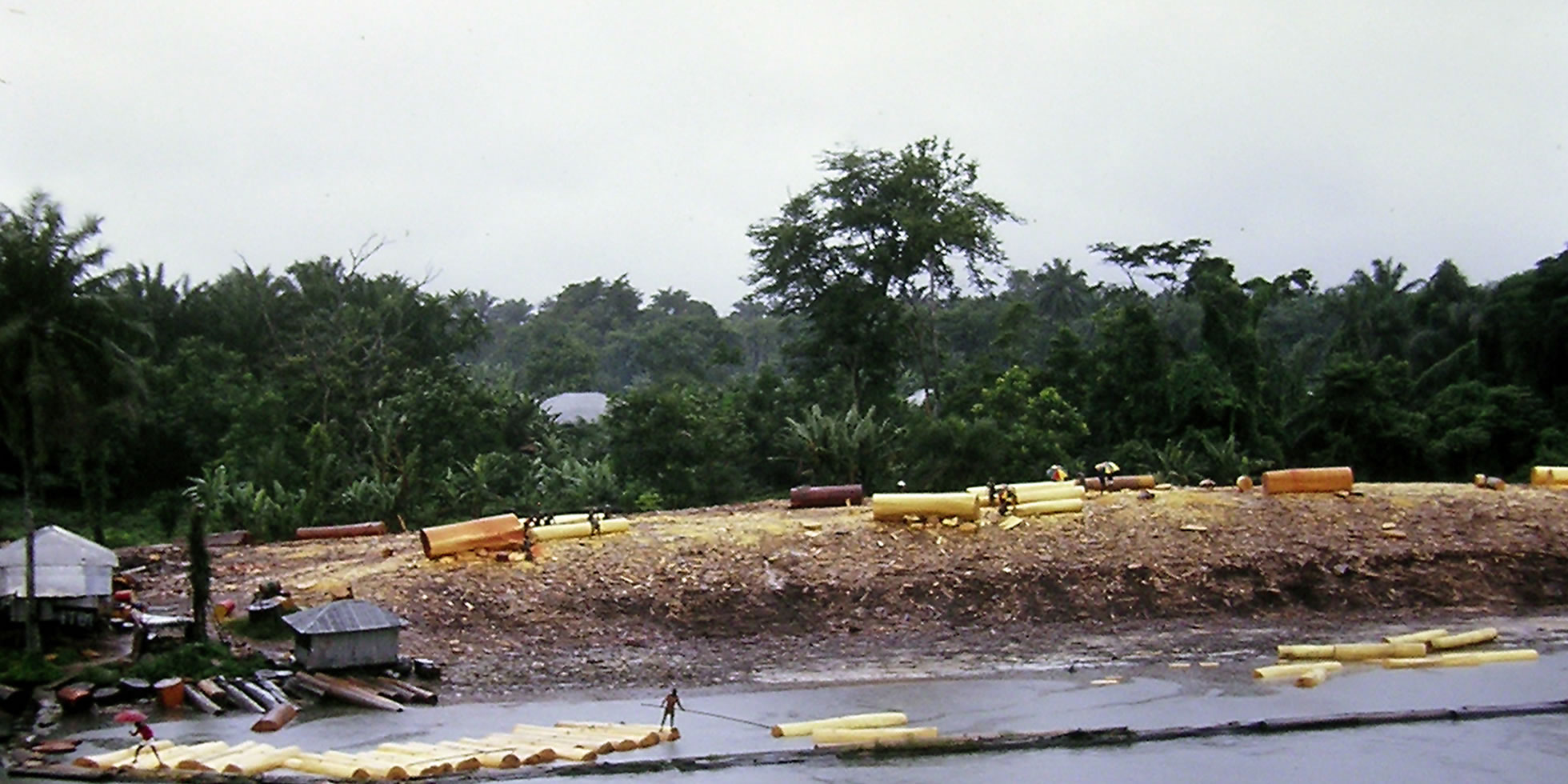
The thematic area specified the Niger Delta area of Nigeria being that a lot of human rights violation have occurred in the area as a result of environmental abuse through oil exploration, spillage, gas flaring and a list of others.

The thematic team is charged with the responsibility of education and advocacy on human rights promotion and protection as it relates to environment, Niger-Delta   and Development. In addition, the thematic team has the responsibility of identifying NGOs and international partners that the Commission can partner/ collaborate with in providing training and sensitisation under the thematic team.


Freedom of expression is essential for democracy and accountability. The Commission protects citizens, journalists, and activists from harassment, censorship, and restrictions, while promoting responsible use of this right.  

Key Issues: harassment, censorship, restrictive laws, misinformation, surveillance, weak media independence.

Objectives: safeguard democratic space, promote openness, monitor and address violations, advocate enabling laws.

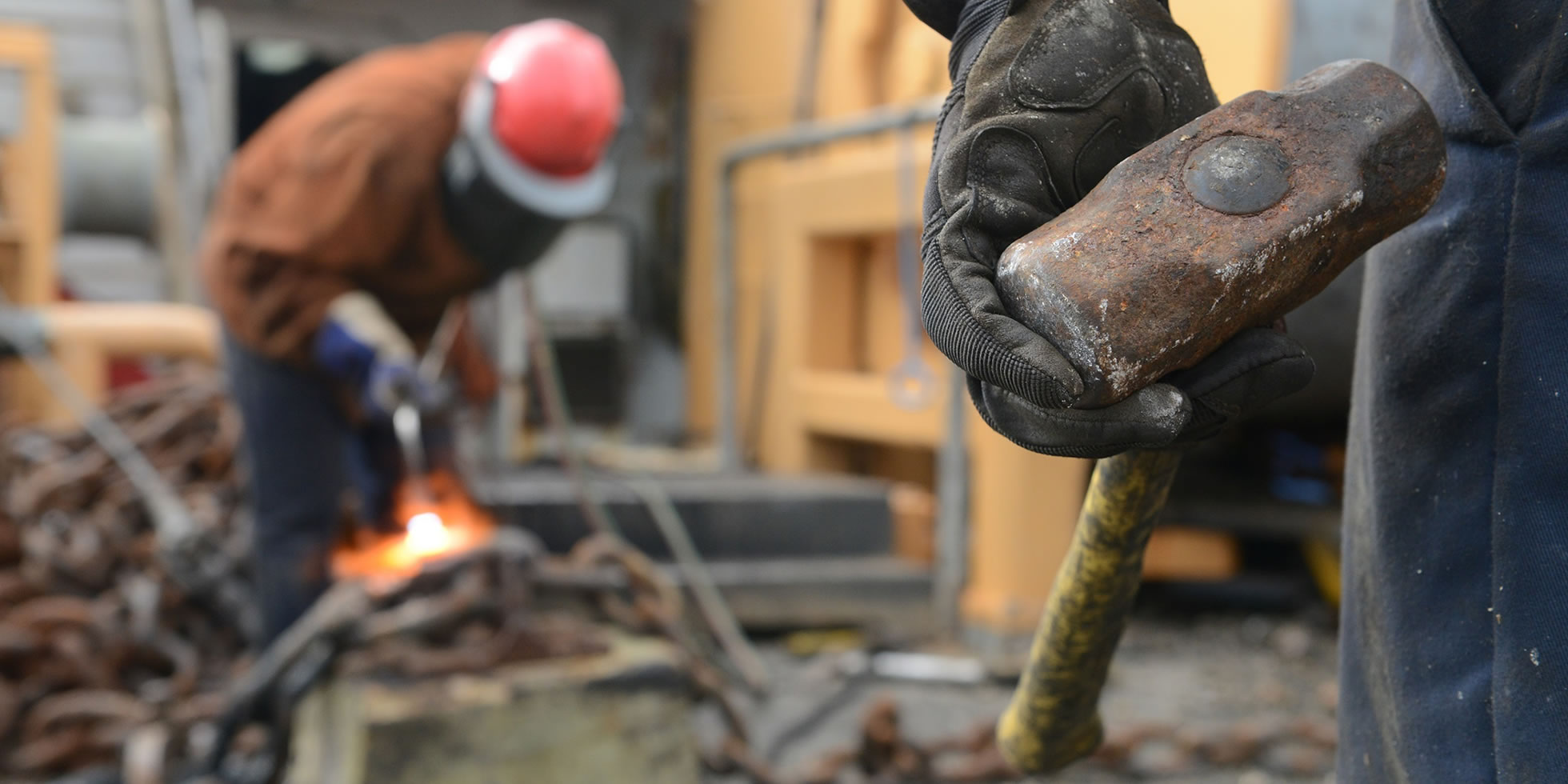
The Commission promotes workers’ rights in line with national laws and international labour standards. It fosters fair treatment and decent work, addresses unfair wages, unsafe conditions, discrimination, and exploitation.  

Key Issues: wage theft, unsafe work, denial of union rights, casualization, child and forced labour etc.

Objectives: protect workers, promote fair treatment, safeguard dignity at work.

Strategies: complaint handling, mediation, advocacy, partnerships etc.

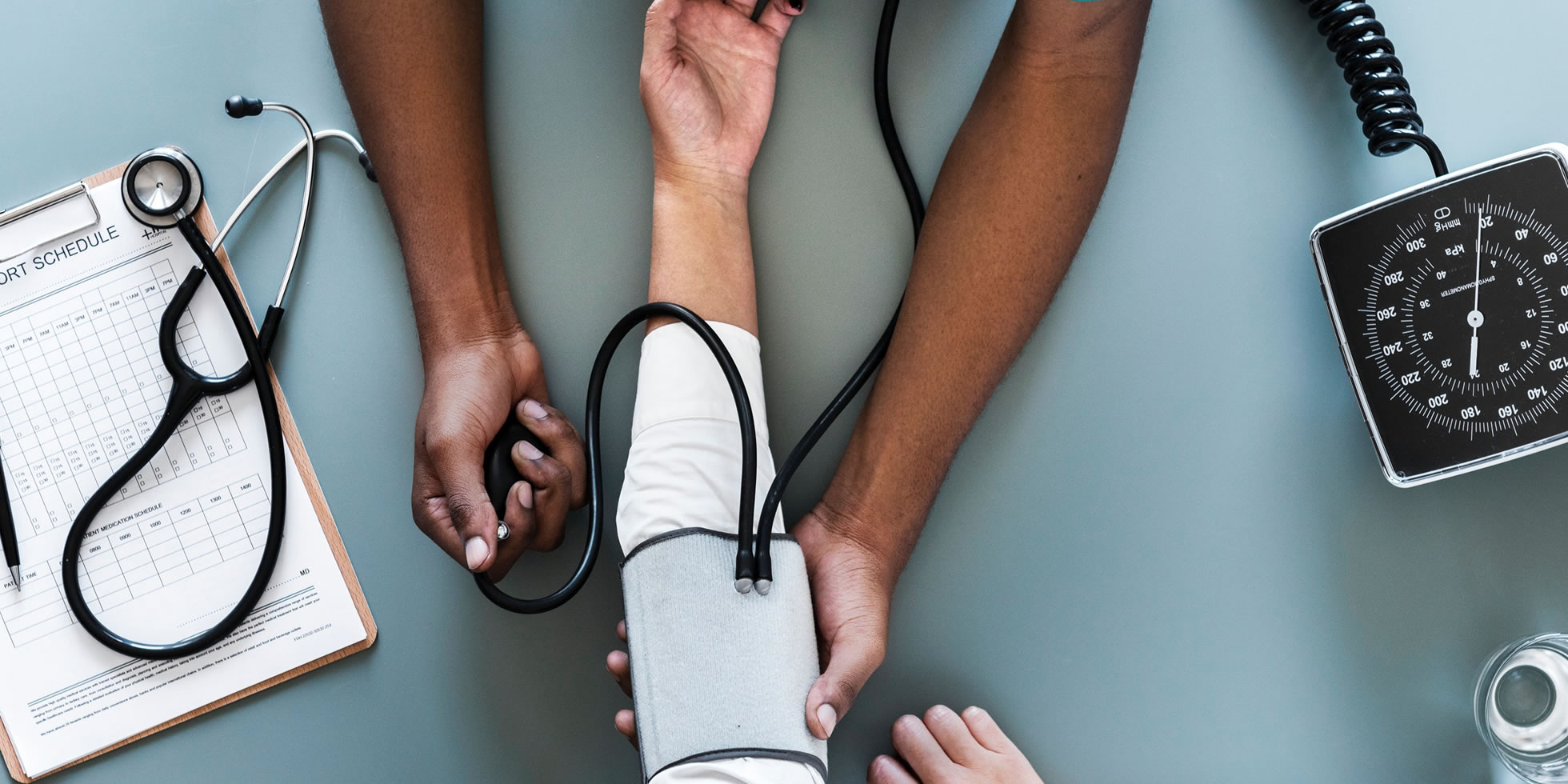
RIGHT TO HEALTH (THEMATIC TEAM)

  1. Introduction:

Right to Health is the right of everyone to the enjoyment of the highest attainable standard of physical and mental health. Right to health extends to ensuring clean water, sanitation, food, nutrition and through a comprehensive system of healthcare.

The thematic area is comprised of Four (4) dedicated Staff comprising Fidelia Osemeata Oroh (Head), Fatima Abubakar Shamaki and Valerie Duruh, forming a thematic team charged with the responsibility of promoting, protecting and enforcing the right to health as safeguarded by the various human instruments. The team is also charged with the responsibility of liaising and cooperating with local and international organizations on right to health with the purpose of advancing the promotion and protection of same, undertaking studies and making appropriate recommendations to the Commission, promoting an understanding of public discussions of right to health issues in Nigeria among other functions which may be prescribed from time to time.

  1. Body:

The right to health is accorded recognition by several international treaties to most of which Nigeria is a party. The most important of these treaties are the International Covenant on Economic, Social and Cultural Rights (ICESCR), Convention on the Elimination of all Forms of Discrimination (CERD), the Convention on the Elimination of all Forms of Discrimination against Women (CEDAW) and the Convention on the Rights of the Child (CRC). Nigeria is also a party to two health-related civil and political rights treaties, namely the International Covenant on Civil and Political Rights (ICCPR) and the Convention against Torture and Other Cruel, Inhuman or Degrading Treatment or Punishment. Regionally, the Right to Health is guaranteed under the African Charter on Human and Peoples Rights. Nationally, it is guaranteed under Chapter 2 of the Constitution of the Federal Republic of Nigeria 1999 (as amended), the National Health Insurance Scheme Act (1999) etc.

  1. Activities:

The Commission has partnered with several MDAs like the Ministry of Health and National Agency for the Control of Aids as well as varied INGO’s and NGO’s over the years towards the realization of its goal in advancing the right to health of Nigerian. The Commission put in place the NHRC Critical Mass to mainstream HIV/AIDS in all sectoral activities. In furtherance of its mandate, the Commission plans to set up human rights desks in hospitals, conduct an intervention in the health section in response to complaints about quackery, malpractice and negligence in the health sector amongst other laudable and lofty goals.

Goal 3 of the Sustainable Development Goals (SDG), focusing on health, is to “ensure healthy lives and promote well-being for all at all ages”, however, it should be noted that almost all the Goals can be linked to health as a well-functioning health system is fundamental to the right to health and therefore the realisation of other SDGs. State parties are already legally obliged under the International Covenant on Economic, Social and Cultural Rights (ICESCR) to “devote maximum available resources to the right to health”, which includes funding struggling health systems. 

  1. Challenges:

In recent years, notable progress has been made, but significant challenges remain. Women around the world continue to lack access to sexual and reproductive health care; thousands of new cases of HIV/AIDS continue to occur each day, billions of people are left without access to essential medicines, millions of adults and children suffer from undernourishment.

  1. Conclusion:

Health is a fundamental human right and a key indicator of sustainable development. Poor health threatens the rights of children to education, limits economic opportunities for men and women and increases poverty within communities and countries around the world. It is also impacted by poverty and strongly connected to other aspects of sustainable development, including water and sanitation, gender equality, climate change and peace and stability.

In order to accelerate progress and address new health challenges, all actors, including the private sector need to partner to develop health care solutions that work for people, families, communities and nations and it is the work of the National Human Rights Commission to ensure that it is at the forefront of the fight to promote, protect and enforce the human rights of all Nigerians.

Page 2 of 3

Frequently Asked Questions

You can click here to submit a complaint online. You will be contacted by our agent you as soon as your complaint is received

From the Web

pattern