
Freedom of Expression and the Media

Freedom of Expression and the Media

Human Rights Defenders

Human Rights Defenders

Labour

Labour

Right to Health

Right to Health

Refugees Internally Displaced Persons, Migrants And Asylum Seekers

Refugees Internally Displaced Persons, Migrants And Asylum Seekers

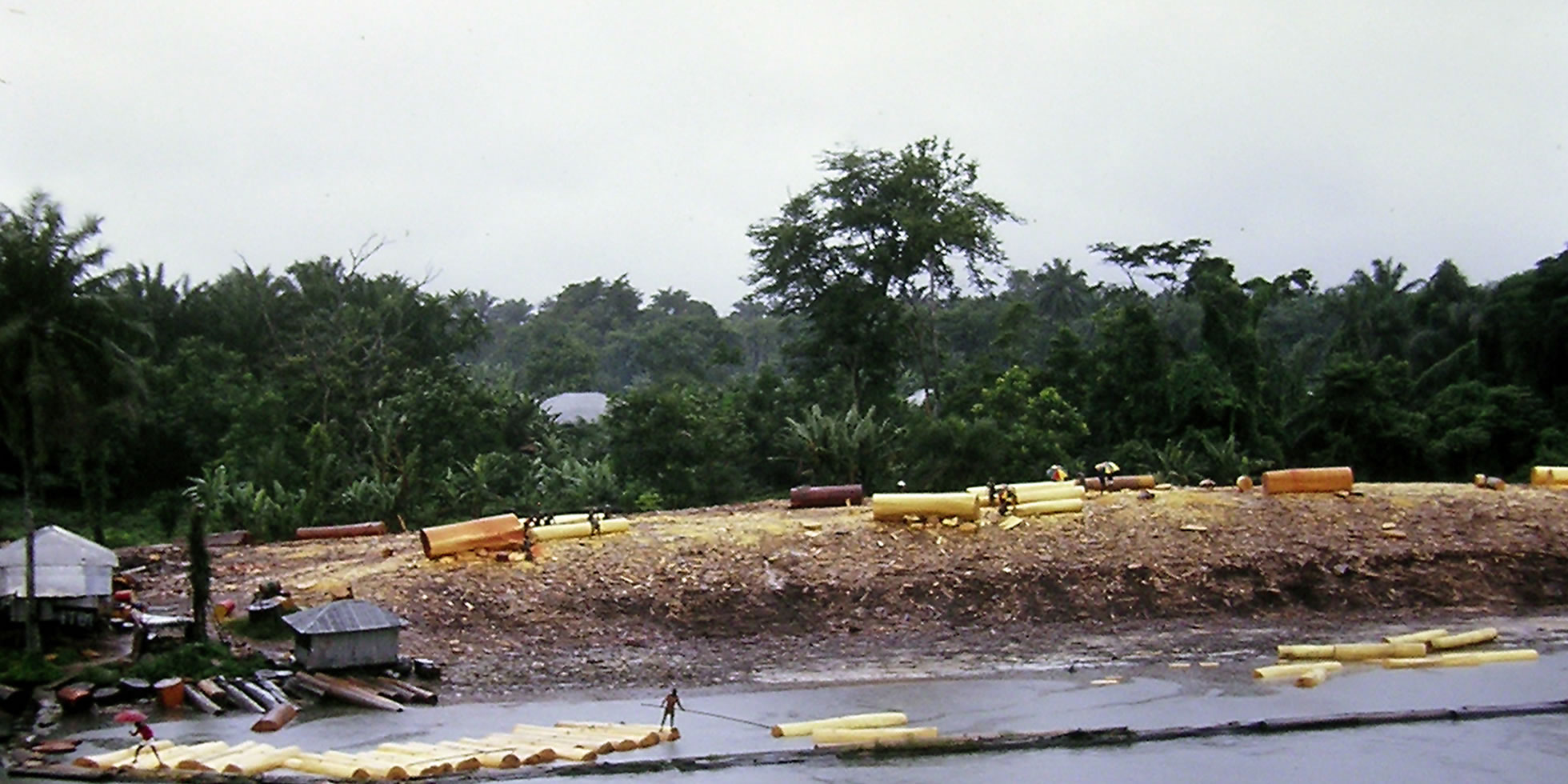
Environment, Niger Delta And Development

Environment, Niger Delta And Development

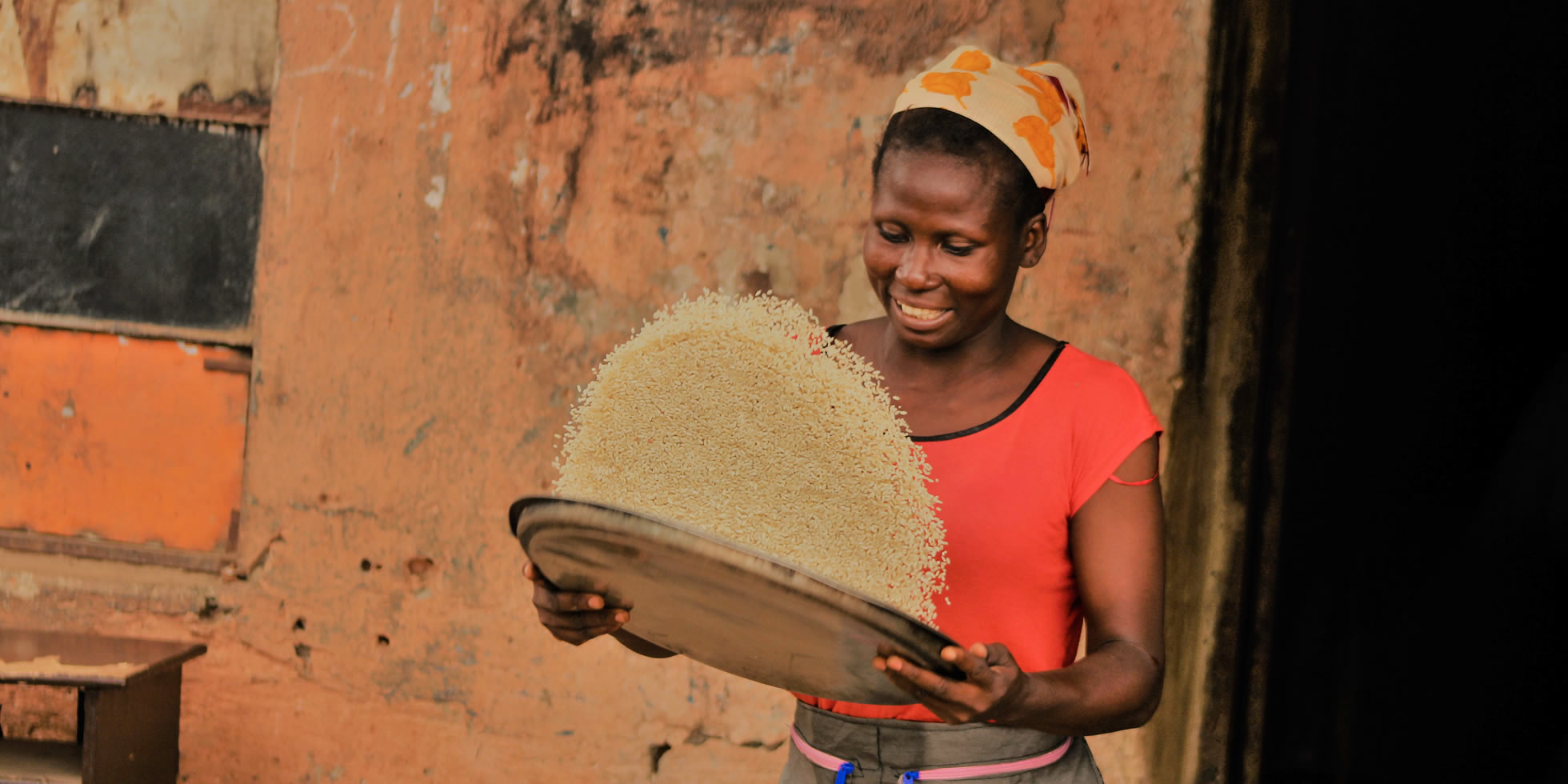
Food and Shelter

Food and Shelter

The Rights of Women and Gender Related Matters

The Rights of Women and Gender Related Matters

Child Rights

Child Rights

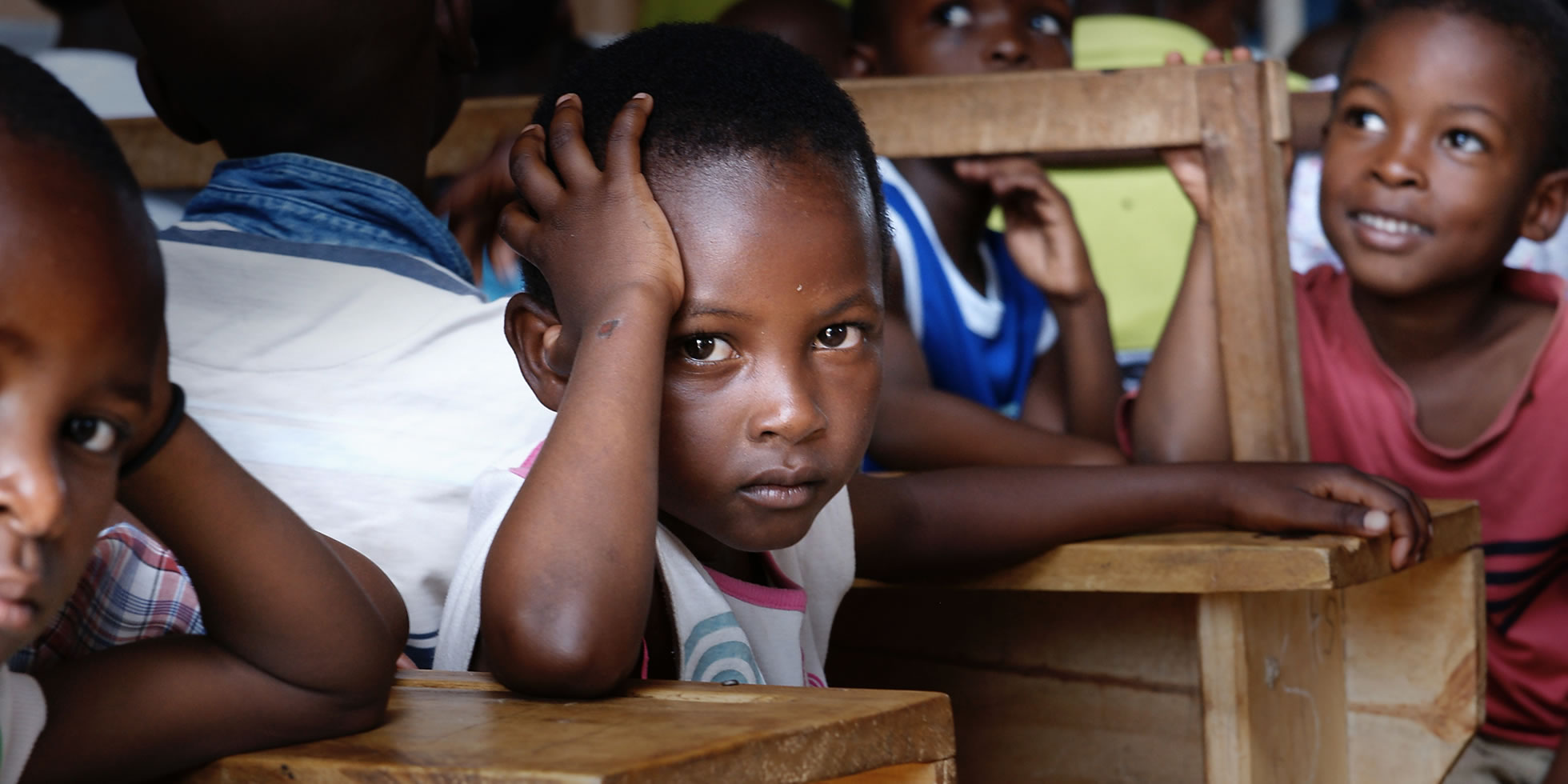
Right To Education

Right To Education

Freedom of Religion or Belief and Peaceful Assembly

Freedom of Religion or Belief and Peaceful Assembly

#StandUp4HumanRights

#StandUp4HumanRights

Lodge a complaint about human rights violation call 08006472428 (Toll Free)

Submit a complaint
NHRC is Working

We work to ensure that everybody have a fair chance to state his/her case

The Commission serves as an extra-judicial mechanism for the respect and enjoyment of human rights. It also provides avenues for public enlightenment, research, and dialogue in order to raise awareness on Human Rights issues.

The rights to freedom of peaceful assembly, association and religious beliefs protects the coming together of people and individuals working for a common goal. These laws are enshrined in Sections 38 and 40 of the Constitution of the Federal Republic of Nigeria as well as other regional and international human rights standards to which Nigeria is a party.

The exercise of these rights is very key because peace and harmony cannot thrive where people cannot freely associate and air their grievances collectively in a sustainable matter. Free association and assembly and religious belief accordance with the law and without endangering society enables people of like minds to exchange ideas that might enhance quality of lives.

Every person is entitled to freedom of thought, conscience and religion, including freedom to change his/her religion or belief, and freedom to manifest and propagate his religion or belief in worship, teaching, practice and observance. In the process of observing this, it must be within the ambit of law and carried out in such a manner that rights of others are not infringe upon.

Persons have the right to freely associated form or belong to a political party, trade union or any association for the protection of his interest provided it is not in conflict with the Constitution of the Federal Republic of Nigeria.

The Commission is poised to promote and protect rights of the citizenry which is the reasons for this thematic area of focus to carry out research and look in-depth to issues that emanate from area so as to address them squarely.  The thematic area also organises seminars and workshops to sensitize the public on their rights.

In achieving the above, we collaborate with Faith based organisations, CSOs and NGOs working for a common goal.


UNESCO’s Convention Against Discrimination in Education (CADE, 1960) which is the first instrument in the field of the right to education defined education in article 1(2) as “ all types and levels of education,  including access to education, the standard and quality of education and the conditions under which it is given”.

CADE and many other international and regional human rights instruments have provisions on the right to education. Nigeria being a signatory to these instruments has taken steps to adhere to these provisions. Notable amongst these steps was the domestication of the Convention on the Rights of the Child (CRC) and its adoption as the Child Rights Act in 2003. This law has not been effective throughout the Federation as only 23 states have enacted it into state laws. Provisions on Right to Education in Chapter 2 of the 1999 Constitution of the Federal Republic of Nigeria even though regarded as non-justiciable have been given effect and made justiciable by other domestic laws such as the Universal Basic Education Act as well case law, amongst others also support this.

The actualization of promoting the Right to Education is however bedeviled by issues such as low enrolment of children particularly the girl child, low completion of basic education, i.e high rate of drop out especially boys in the South – Eastern Zone of the country, shortage and poor-quality infrastructures in schools e.g classrooms, water, electricity, toilets and furniture amongst others.

The National Human Rights Commission (NHRC) in line with its mandate to promote and protect human rights has established Right to Education as a thematic area of focus to drive its vision of having all children enrolled in school as well as to ensure that the culture of human rights is promoted and maintained in schools.

The Commission also recognizes that the realization of the right to education empowers holders to claim other human rights. It therefore requires the collective effort of all Citizens; parents in particular, the civil society and the government in ensuring that Right to Education as guaranteed by the constitution and other international and regional instruments that Nigeria is a party to are fully enjoyed and the corresponding duties and responsibilities fulfilled.

The Commission works to eliminate discrimination and violence against women and girls, while promoting equality in education, healthcare, employment, and politics. A dedicated department addresses violations affecting women and children.  

Key Issues: gender-based violence, harmful practices, workplace discrimination, political underrepresentation, barriers to justice etc.

Objectives: advance gender equality, empower women, protect against abuses.

Strategies: complaints handling, investigations, awareness campaigns, advocacy, monitoring, empowerment.

Child's Right Act (2003) is the law that guarantees the rights of all children in Nigeria. So far 24 out of 36 states of Nigeria have adopted the CRA as a state law. There are therefore twelve (12) states in Nigeria that are yet to adopt the CRA in their laws of the 36 states of the federation.

Children as defined by Child's Right Act (2003) is any person under the age of 18.

National Human Rights Commission as parts of its mandates to promote, protect and enforce the rights of all citizens as well  as foreign nationals in Nigeria undertakes several procedures of promoting and protecting the rights of children under this age because they are vulnerable.

The Commission takes up the rights of children from foetus when appropriate responsibility of the unborn child is neglected. We admit and investigate matters around inhuman and degrading treatment of a mother upon whose ripple effect hamper the survival and development rights of the child.

At the National Human Rights Commission, we recognize that children, boys and girls can also be victims of abuse and exploitation in all of its forms. That’s why we run an open 'human rights club' in schools to shed light on this underrepresented reality.

You can help make the intervention of the Commission on any matter of right violations against any child a reality if you report. Therefore bring children out of the shadow of violations.

One way our campaign will help other boys, girls, and youths is by our collective advocacy. You do not need a lawyer to bring complaint to the Commission for its intervention. All persons can walk in to the Commission to access free services. All you need is just a start! 

The National Human Rights Commission is most strategically positioned now to promote and protect every child across the states in Nigeria.

Will you help us put these plans into practice? Contribute today to make a stand, and say that no Child—male or female—deserves right violation in all of its forms.


The National Human Rights Commission was established by Decree No: 22 on the 27th September, 1995, and now NHRC (Amendment) Act, 2010 in line with the United Nations General Assembly Resolution No. 48/134 of 20th December 1993, which enjoins all member states to establish National Human Right Institutions relative to their environment. The Act empowers the Commission to deal with all human right issues taking into consideration the Constitution of the Federal Republic of Nigeria in line with other International Human Right Instrument to which Nigeria is a party.

One of the Commission’s mandate is to “organize local and international seminar, workshops and conferences on human rights issues of public enlightenment, liaise and corporate with local and international organizations on human rights for the purpose of advancing the promotion and protection of human rights. These human rights among other things include the right to food and shelter.

On the 16th October, 2018, the Commission observed the World Food 73rd Anniversary of the Food and Agricultural Organisation (FAO). The day is celebrated every year around the world in honour of the date of the founding of FAO of the United Nations in 1945.

World food day is observed by all United Nations member states. It is a day dedicated to tackling global hunger. People around the world come together to declare their commitment to eradicate world hunger from our lives. In celebrating the creation of the FAO, events are organised in over 150 countries across the world, making it one of the most celebrated days in the UN calendar.

These events promote worldwide awareness and action for those who suffer from hunger and for the need to ensure food security and nutritious diets for all. The focus of the day is that food is a basic and fundamental human right. Yet, in a world of billions, 805 million people worldwide live with chronic hunger, 60% women and almost five million children under the age of five die of malnutrition-related causes every day. The Commission’s observance of World food is one of our commitments to Sustainable Development Goal (SDG) 2 – to achieve zero hunger by 2030.

The United Nations has designated the first Monday of October every year as World Habitant Day. The purpose of world habitant day is to reflect on the state of our towns and cities. On the 1st October, 2018 the Commission attended a seminar hosted by the Ministry of Works and Housing at the NAF Conference Centre, Jahi, Abuja, to mark the World Habitant Day which was themed ‘Municipal Solid Waste Management.’

The commission has carried out sensitisation programs on human rights issues on forced evictions, intervened for victims of demolition activities to see that they are properly compensated or resettled. 

Page 1 of 3

Frequently Asked Questions

You can click here to submit a complaint online. You will be contacted by our agent you as soon as your complaint is received

From the Web

pattern